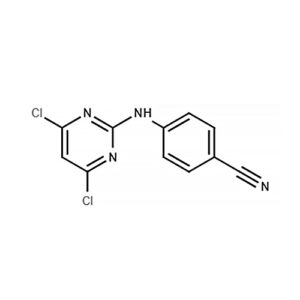
SPECIFICATIONS |
|
| Product Name | Phenyl 2-hydroxy-4,5-dimethoxybenzoate |
| CAS NO. | 877997-98-3 |
| EINECS No. | 1806241-263-5 |
| Molecular Formula | C15H14O5 |
| Molecular Mass | 274.27 |
| Assay | 98% |
| Boiling Point( °C ) | 431 |
| Appearance(pending) | White to off-white Solid |
| Density(g/cm3 25 °C) | 1.25 |
Applications by Fields
-
Organic Synthesis
- Key Synthetic Intermediate:Serves as an essential building block for synthesizing complex organic molecules that incorporate phenyl and methoxy substituents. Its reactivity facilitates the construction of polyfunctional aromatic compounds, especially useful in the design of novel heterocycles and bioactive frameworks.
- Functional Group Transformations:Widely applied in esterification, etherification, and substitution reactions, enabling tailored modifications for target molecule diversification in medicinal chemistry and fine chemical production.
-
Pharmaceutical Industry
- Drug Development Intermediate:Utilized extensively in the synthesis of pharmacologically active molecules, particularly those with antibacterial, antiviral, and anti-inflammatory properties. Its structural motifs provide a platform for medicinal chemists to optimize drug candidates with improved potency and selectivity.
- Prodrug and Targeted Delivery Applications:Phenyl ester derivatives like this compound often serve as prodrug candidates or intermediates for targeted drug delivery systems, enhancing bioavailability and controlled release profiles.
- Bioactive Scaffold Construction:Facilitates the creation of analogues mimicking natural products or synthetic drug scaffolds, supporting research in antimicrobial resistance and viral inhibition.
-
Materials Science and Chemical Biology
- Precursor for Functional Materials:Employed in the development of organic electronic materials, fluorescent probes, and polymeric dyes, contributing to the design of light-responsive and bio-compatible materials.
- Molecular Recognition and Sensor Development:Its phenolic and ester functionalities enable interactions with biological macromolecules, making it a candidate for sensor design and molecular recognition studies.